

How Do You Clean a Humidifier?
To clean a humidifier properly, unplug it, empty and disassemble the unit, clean the water tank and base according to the manufacturer’s instructions, remove mineral buildup, clean or replace the filter if applicable, rinse all water-contact surfaces thoroughly, and allow every part to dry completely before reassembly. Always check your owner’s manual before using vinegar, bleach, hydrogen peroxide, or another cleaning product.
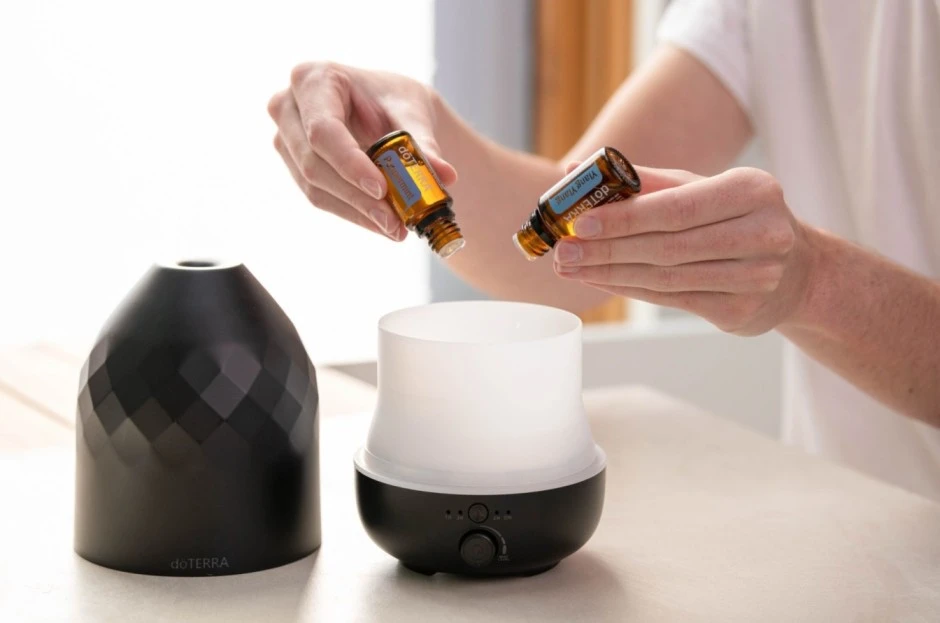
What You Need to Clean a Humidifier
Clean water
A soft cloth
Soft-bristled brush or bottle brush
A small amount of gentle dishwashing liquid, provided your humidifier’s manufacturer permits its use.
Manufacturer-approved cleaning or disinfecting solution, if required
Clean towel or drying area
Cleaning requirements vary by humidifier. Follow the owner’s manual for approved products, dilution ratios, contact times, filter care, and replacement intervals.
How to Clean a Humidifier Properly
1. Unplug and Empty the Humidifier
Unplug the humidifier before handling water or removable components. Empty the tank and base completely. Do not simply top off old water with fresh water. Wipe away remaining moisture and prepare the unit for cleaning.
2. Disassemble Removable Parts
Remove the tank, cap, filter, tray, and other removable components according to the manufacturer’s instructions. Keep electrical components away from water unless the manual specifically says they are washable.
3. Clean the Tank and Base
Wash water-contact surfaces using the cleaning method approved in the owner’s manual. Use a soft cloth or soft brush to reach corners, seams, and the water line. Use only soft cleaning tools to prevent scratches or surface damage.
4. Remove Mineral Buildup
Minerals from tap water can leave scale or chalky deposits. Use the manufacturer-recommended method for removing mineral buildup. Some manufacturers permit vinegar or another descaling solution, while others specify a different product. Rinse thoroughly after treatment.
5. Clean or Replace the Filter
If the humidifier uses a wick or evaporative filter, check whether it is washable or replaceable. Follow the manufacturer’s recommended cleaning and replacement schedule. A filter that is stiff, damaged, discolored, or heavily mineral-encrusted may need replacement.
6. Clean the Ultrasonic Plate
For ultrasonic humidifiers, gently clean the transducer or ultrasonic plate as directed by the manufacturer. Use only soft, non-abrasive materials and avoid scratching the surface.
7. Rinse and Dry Everything
Rinse water-contact parts thoroughly after cleaning so that no cleaning residue remains. Allow the tank, base, and removable parts to air dry completely before reassembly. Complete drying helps reduce the moisture that microorganisms need to grow.
8. Reassemble and Refill
Once everything is completely dry, reassemble the humidifier. Fill it with the type of water recommended by the manufacturer. Low-mineral water, such as distilled water, can reduce mineral buildup in many humidifiers.
9. Prepare the Humidifier for Storage
Before seasonal storage, empty, clean, rinse, and dry the humidifier completely. Store it in a dry location and follow the manufacturer’s instructions for filter storage or replacement before the next season.
How to Clean Different Types of Humidifiers
Cool-Mist Humidifiers
Cool-mist models should be emptied and cleaned regularly because standing water can allow microorganisms to grow. Follow the manufacturer’s instructions for the tank, base, filter, and water-contact surfaces.
Ultrasonic Humidifiers
Ultrasonic humidifiers use a vibrating transducer to create mist. Mineral buildup around the transducer can affect performance, so clean it gently and according to the owner’s manual. Using low-mineral water can help reduce mineral deposits.
Evaporative Humidifiers
Evaporative models commonly use a wick or evaporative filter. Check whether the filter is washable or disposable and replace it according to the manufacturer’s schedule.
Warm-Mist or Steam Humidifiers
Warm-mist and steam models have heating components and may have different descaling and cleaning requirements. Follow the manufacturer’s instructions rather than applying a generic cleaning method.
How Often Should You Clean a Humidifier?
| Task | Suggested frequency |
| Empty remaining water | Daily |
| Dry the tank | Daily |
| Clean water-contact surfaces | About every 3 days, or as directed by the manufacturer |
| Clean or replace the filter | According to the manufacturer |
| Deep clean before seasonal storage | Before storing the unit |
| Clean before returning it to use | After seasonal storage |
The U.S. EPA recommends emptying and drying portable humidifiers daily and cleaning them every third day. Always follow the specific instructions supplied with your humidifier if they differ.
How to Prevent Mold and Mineral Buildup
Empty standing water regularly instead of allowing it to sit between uses.
Use distilled or other low-mineral water when recommended for your humidifier.
Clean the unit on the schedule specified by the manufacturer.
Keep filters clean and replace them when required.
Allow cleaned parts to dry completely before storage or reassembly.
Keep indoor humidity at a reasonable level and avoid excessive moisture around the humidifier.
How to Remove Mold From a Humidifier
If you see mold or persistent discoloration, stop using the humidifier and follow the manufacturer’s cleaning and disinfection instructions. Disassemble removable parts, clean the water-contact surfaces using an approved method, rinse thoroughly, and dry completely. If mold continues to return, inspect the unit for damaged parts, inaccessible areas, or a filter that needs replacement. Contact the manufacturer if the unit cannot be cleaned effectively.
Why Is My Humidifier Leaving White Dust?
White dust is commonly associated with minerals in tap water, particularly in ultrasonic humidifiers. As water is dispersed into the air, dissolved minerals can settle on nearby surfaces. Using distilled or other low-mineral water recommended by the manufacturer can reduce this problem.
When Should You Replace a Humidifier Filter?
Replace a humidifier filter according to the manufacturer’s instructions. The correct interval depends on the humidifier design, usage, water quality, and filter type. A filter that is damaged, heavily scaled, permanently discolored, or no longer performs properly may need replacement sooner.
Humidifier Cleaning Mistakes to Avoid
Do not clean or service the humidifier while it is plugged in.
Do not leave old water sitting in the tank and simply top it off.
Never not use abrasive tools that can damage water-contact surfaces.
Do not use vinegar, bleach, hydrogen peroxide, or another cleaner unless it is approved for your model.
Never mix bleach with vinegar or another cleaning product.
Do not leave cleaning solution in the unit without following the product or manufacturer’s required contact time.
Do not reassemble or store the humidifier while its parts are still wet.
Final Thoughts
Learning how to clean a humidifier properly is mostly about consistency: empty standing water, clean the unit on schedule, remove mineral buildup, maintain the filter, and dry the components completely. The safest approach is to combine these habits with the cleaning and maintenance instructions supplied by your humidifier manufacturer. That keeps the routine simple while helping prevent unwanted mineral deposits, odors, and microbial growth.
More Gadgets Posts:
Roku Remote Not Working? 9 Very Easy Fixes
Apple Watch Not Charging: 8 Real Fixes
Frequently Asked Questions:
Unplug the unit, empty and disassemble it, clean the tank and base according to the manufacturer’s instructions, remove mineral buildup, clean or replace the filter if applicable, rinse thoroughly, and let all parts dry completely before reassembly.
For portable humidifiers, the EPA recommends emptying and drying them daily and cleaning them every third day. Your owner’s manual should take priority if it specifies a different schedule.
Some humidifier manufacturers allow vinegar for removing mineral deposits, but not every model has the same requirements. Check your owner’s manual before using vinegar and follow its specified concentration, contact time, and rinsing instructions.
Only use bleach if your humidifier manufacturer specifically permits it and provides instructions for dilution and use. Never mix bleach with vinegar or another cleaning product, and rinse thoroughly according to the manufacturer’s directions.
Some humidifier-care guidance uses a 3% hydrogen peroxide solution for water-contact surfaces, but you should still check the humidifier’s manual before using it. Follow the recommended contact time and rinse thoroughly afterward.
Unplug and empty it, clean the tank and water-contact surfaces as directed by the manufacturer, gently clean the ultrasonic transducer without scratching it, rinse thoroughly, and allow everything to dry completely before reassembly.